Standing in front of rows of different soil types at your local landscape supplies yard can feel like staring at a foreign language dictionary. Garden mix, premium blend, topsoil, loam, what’s the difference, and which one does your Central Coast garden actually need? If you’ve ever found yourself confused about landscape soil, you’re definitely not alone. Understanding soil basics transforms your gardening success from hit-and-miss to consistently thriving plants.
Why Soil Selection Matters More Than You Think
Your soil is the foundation of everything that grows in your garden. Plants don’t just sit in soil—they actively interact with it, drawing nutrients, water, and oxygen through their roots. Poor soil quality leads to stunted growth, increased pest problems, and frustrated gardeners wondering why their neighbour’s roses flourish while theirs struggle.
The Central Coast presents unique soil challenges. Many properties around Kincumber, Gosford, and surrounding areas sit on sandy soil that drains too quickly and holds few nutrients. Others, particularly in lower-lying areas near Erina and Terrigal, have heavy clay that becomes waterlogged in winter and cracks like concrete in summer. The right landscape soil addresses your specific property’s issues while supporting the plants you want to grow.
What Exactly Is Landscape Soil?
Landscape soil refers to specially blended growing mediums designed for garden beds, lawns, and landscaping projects. Unlike excavated “fill dirt” which might contain rubble, roots, and little organic matter, quality landscape soil combines screened topsoil with compost, aged manures, and sometimes sand to create an ideal growing environment.
According to Landscape Australia, professional-grade landscape soils are formulated to provide proper drainage, nutrient retention, and soil structure, three critical factors that determine whether your plants thrive or merely survive.
Understanding Different Soil Types Available
Premium Garden Mix
Premium garden mix represents the gold standard for ornamental garden beds, vegetable patches, and areas where you want exceptional plant performance. This blend typically combines quality topsoil with generous amounts of composted organic matter, creating a rich, dark soil that’s crumbly in texture.
Premium mixes work beautifully for establishing new garden beds in Kincumber and Woy Woy, particularly where you’re planting hungry feeders like roses, natives, or vegetables. The high organic content means plants get a strong nutritional start, and the improved structure helps roots penetrate easily.
Standard Garden Mix
Standard garden mix offers a more economical option while still providing good growing conditions. It contains less organic matter than premium blends but still delivers far superior results compared to using straight topsoil. This soil type works well for established gardens needing rejuvenation or for less demanding plants.
Many Central Coast gardeners use standard garden mix for filling large areas, then top it with premium mix in specific beds where they’re growing prized specimens or edibles. This approach balances budget with performance effectively.
Topsoil
Topsoil forms the base ingredient in most landscape soils. Quality topsoil on the Central Coast should be screened to remove rocks, roots, and debris. Used alone, topsoil works for levelling lawns, filling low spots, and creating gentle contours in your landscape.
For garden beds, however, topsoil alone rarely provides ideal conditions. It benefits enormously from amendments like compost or aged manure to improve its structure and fertility. Think of topsoil as a canvas, good quality but needing additional layers to reach its full potential.
Turf Underlay Mix
If you’re laying new turf or renovating an existing lawn around Gosford or Terrigal, turf underlay mix (often called lawn mix or turf mix) provides the specific characteristics grass roots need. These blends balance drainage with moisture retention and typically include sand to prevent compaction under foot traffic.
For the sandy soils common across the Central Coast, a turf underlay with higher organic content helps lawns stay green longer between waterings. Clay-based soils benefit from sandier mixes that improve drainage and prevent waterlogging.
How Much Soil Does Your Project Actually Need?
One of the most common questions at Kincumber Sand & Soil relates to quantity. Ordering too little means frustrating delays mid-project, while ordering too much wastes money and creates disposal problems.
For new garden beds, aim for 300-400mm depth of quality landscape soil. This provides adequate root depth for most ornamental plants and vegetables. For lawns, 100-150mm of turf underlay creates a solid foundation. Existing gardens being refreshed typically need 50-75mm of new soil spread over the surface.
Calculate your requirements by measuring the area’s length and width in metres, then multiplying by the desired depth (converted to metres). For example, a garden bed 5m long by 2m wide requiring 300mm (0.3m) depth needs 3 cubic metres of soil: 5 x 2 x 0.3 = 3m³. The experienced team can verify your calculations and ensure you order correctly.
Testing Your Existing Soil First
Before adding new landscape soil, understanding your current soil’s characteristics helps you make better choices. Grab a handful of moist soil from your garden and squeeze it firmly. Sandy soil falls apart immediately when you open your hand. Clay soil holds its shape even when poked. The ideal loam holds together initially but crumbles with gentle pressure.
This simple test reveals whether you need soil that improves drainage (for clay) or moisture retention (for sand). Most Central Coast properties benefit from adding organic-rich landscape soil that addresses the prevalent sandy conditions, improving both water and nutrient retention dramatically.
The Australian Garden Council recommends pH testing as well, particularly if you’ve struggled to grow specific plants. Most landscape soils arrive with a neutral to slightly acidic pH, suitable for the majority of garden plants. However, if you’re growing acid-lovers like blueberries or azaleas, or alkaline-preferring plants like lavender, knowing your soil’s pH helps you choose appropriate amendments.
Organic Matter: The Secret Ingredient
The percentage of organic matter in landscape soil dramatically affects its performance. Organic matter improves soil structure, increases water retention, provides slow-release nutrients, and supports beneficial soil microorganisms. It’s essentially the difference between average and exceptional results.
Premium landscape soils typically contain 20-30% organic matter, while standard mixes contain 10-15%. This difference might not seem significant, but over a growing season, it translates to noticeably healthier, more vigorous plants requiring less supplemental fertiliser.
For vegetable gardens and annual flower beds, higher organic matter pays dividends. For low-maintenance native gardens and drought-tolerant plantings, moderate organic content prevents excessive lushness that can actually weaken some Australian native species.
When Should You Add Landscape Soil?
Autumn through spring provides ideal conditions for adding landscape soil to Central Coast gardens. Cooler temperatures and regular rainfall help new soil integrate with existing earth, and plants have time to establish roots before summer heat arrives.
However, landscape soil can technically be added year-round with appropriate care. Summer applications require thorough watering to prevent the new soil from drying out before plants establish. Winter applications work fine in well-drained areas but should be avoided in spots prone to waterlogging.
Sourcing Quality Landscape Soil Locally
Not all landscape soil is created equal, and unfortunately, some suppliers cut corners with inferior ingredients or inadequate screening. Quality soil should smell earthy and pleasant, not sour or ammonia-like. It should be free from rubbish, large sticks, and weed seeds.
Established local suppliers with solid reputations have the most to lose from selling poor-quality products, making them your safest choice. They also understand local conditions intimately—what works in Kincumber might differ from what’s ideal in Woy Woy or Terrigal due to microclimatic variations and existing soil types.
Kincumber Sand & Soil has supplied quality landscape products to Central Coast residents for over 25 years. That longevity speaks volumes about product quality and customer service. Fly-by-night operators don’t last three decades in a community where word-of-mouth recommendations matter.
Preparing Your Garden for New Soil
Simply dumping landscape soil on top of existing ground rarely yields the best results. For optimal performance, remove weeds first, particularly persistent perennials like oxalis or couch grass. These will push through any depth of new soil if left undisturbed.
Consider the final height of your garden beds. Adding 300mm of soil might seem fine until you realise it now sits above your lawn mowing height or creates drainage issues against your house. Sometimes excavating poor soil and replacing it works better than simply adding more on top.
For large areas, mechanical mixing of new landscape soil with existing earth creates a gradual transition zone rather than a sharp boundary. This integration helps water move naturally and prevents the new soil from sitting like a bathtub on impermeable clay beneath.
Special Considerations for Vegetable Gardens
Edible gardens deserve extra attention to soil quality because you’ll literally be eating what grows in it. Choose landscape soil from suppliers who can guarantee their products are free from industrial contaminants, particularly if using soil sourced from recycled organic materials.
Vegetables are notorious nutrient hogs, depleting soil faster than ornamental plants. Starting with rich, premium landscape soil provides a buffer, but plan to supplement with compost or aged manure annually. Building soil fertility is an ongoing process, not a one-time event.
For raised vegetable beds, which are increasingly popular around Gosford and Erina, slightly lighter soil mixes work better than heavy, clay-based blends. Raised beds drain freely, so moisture-retentive soil prevents them from drying out too quickly during our warm Central Coast summers.
Making Your Landscape Soil Investment Last
Adding quality landscape soil represents a significant investment in your property’s value and enjoyment. Protecting that investment through proper maintenance ensures long-term returns. Annual applications of compost or mulch replace organic matter as it breaks down, maintaining soil structure and fertility.
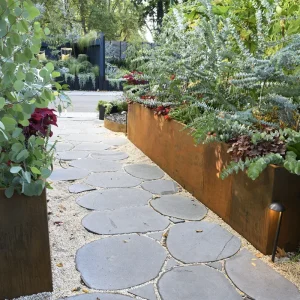
Avoid walking on garden beds, which compacts soil and reduces the air spaces roots need. Use stepping stones or designated paths in larger beds. This simple practice extends the life of your landscape soil substantially, particularly in the heavier clay-based mixes.
Regularly adding organic mulch on top of your garden beds feeds the soil beneath as it decomposes, creating a self-sustaining system that requires less intervention over time. This approach mimics how natural forest floors function, gradually building richer, more productive soil year after year.
Get Expert Advice for Your Specific Situation
Every Central Coast property presents unique challenges and opportunities. Soil in coastal Terrigal differs from hillside Kincumber, which differs from lower-lying Gosford. Aspect, existing vegetation, intended use, and budget all influence which landscape soil makes the most sense for your project.
Rather than guessing or relying on generic online advice, speaking with experienced local suppliers provides tailored recommendations based on decades of seeing what actually works in your specific area. These conversations cost nothing but can save hundreds in avoided mistakes and poor results.
Transform Your Garden with Quality Landscape Soil
Choosing appropriate landscape soil might be one of the most important gardening decisions you make. It influences everything that follows, plant health, maintenance requirements, water usage, and ultimately, how much enjoyment you get from your outdoor spaces.
Whether you’re creating new garden beds in Kincumber, renovating tired landscapes in Erina, or establishing lawns in Woy Woy, starting with quality landscape soil from a trusted local supplier sets you up for success rather than struggle.
Ready to build the foundation for your thriving garden? Contact Kincumber Sand & Soil today at 02-4368-1252 or visit the yard to discuss your specific needs. With over 25 years of experience serving Central Coast gardeners and a comprehensive range of premium landscape soils available for immediate delivery, your successful garden project starts here. Let’s create the perfect growing environment for your outdoor oasis!