Decorative pebbles have become one of the most versatile and popular choices for Central Coast landscaping, transforming ordinary garden beds into stunning visual features that require minimal maintenance. Whether you’re designing a contemporary courtyard in Gosford, creating a low-water native garden in Kincumber, or adding texture to your Terrigal beachside property, the right pebbles can completely change your outdoor space’s character and functionality.
Why Are Decorative Pebbles So Popular on the Central Coast?
Central Coast gardeners face unique challenges that make decorative pebbles particularly appealing. Our coastal winds can blow lightweight mulches around, our sandy soils drain rapidly, and many residents want to reduce water consumption during the warmer months. Decorative pebbles address all these concerns while adding year-round visual interest that never fades, rots, or needs replacing.
Unlike organic mulches that decompose and require annual replenishment, pebbles provide a permanent solution that looks as good in five years as they did on day one. For busy families, retirees wanting low-maintenance gardens, or investment properties around Erina and Woy Woy, this durability translates to significant time and cost savings over the garden’s lifetime.
Understanding Different Pebble Types and Colours
White and Cream Pebbles
White pebbles create dramatic contrast in garden beds, making green foliage and colourful flowers appear more vibrant. They reflect heat and light, which can brighten shadier areas of your property while keeping soil cooler in summer, a valuable benefit for many Central Coast natives and succulents.
Popular varieties include polished white river stones and crushed white quartz. White pebbles work brilliantly around modern homes with clean architectural lines and complement coastal colour schemes beautifully. However, they do show leaf litter more readily than darker options, requiring occasional blowing or raking to maintain that pristine appearance.
Charcoal and Black Pebbles
Black and charcoal pebbles provide sophisticated, contemporary aesthetics that suit minimalist landscape designs. These darker stones absorb heat, warming the soil beneath, which benefits heat-loving plants like agapanthus, lomandra, and many ornamental grasses that thrive around Kincumber and surrounding suburbs.
Beach pebbles in charcoal tones create a natural, organic feel, while polished black stones deliver high-end resort-style elegance. These colours disguise leaf litter effectively, making them excellent choices for gardens beneath deciduous trees or near eucalypts.
River Pebbles in Natural Tones
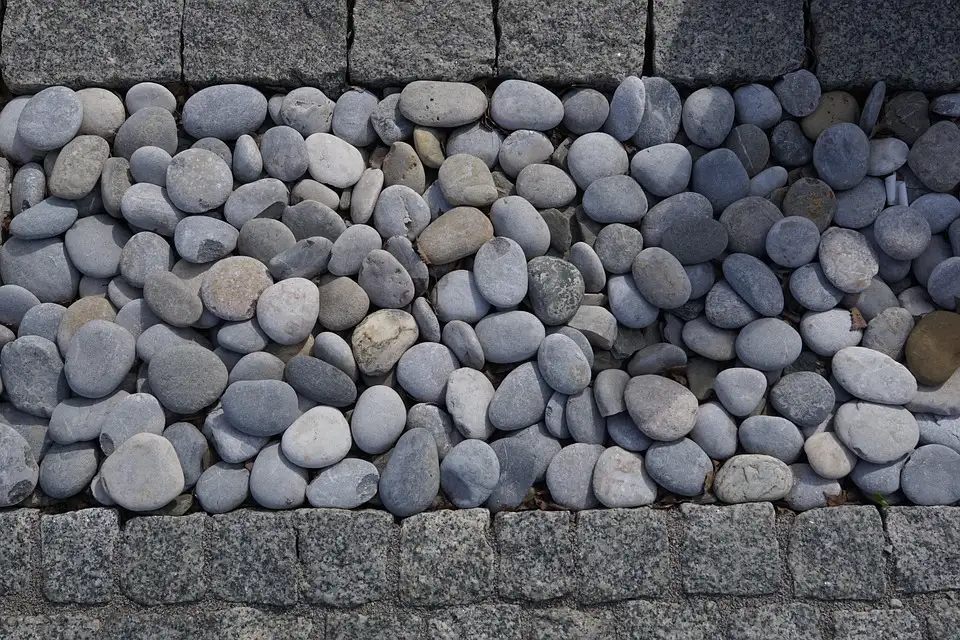
River pebbles in tans, browns, and mixed earth tones offer the most natural appearance, blending seamlessly with Australian landscapes. These smooth, rounded stones create a softer, less formal look than angular crushed rock, making them perfect for native gardens, bushland-style plantings, and informal cottage gardens.
According to Landscape Australia, natural-toned pebbles provide versatility that works with virtually any planting scheme or architectural style. They’re particularly effective around water features, creating that authentic creek-bed appearance that feels like it’s always been part of your Terrigal or Gosford landscape.
Terracotta and Red Pebbles
Terracotta and red-toned pebbles introduce warmth and richness to garden beds. These colours complement Australian native plants beautifully, echoing the red earth found in our country’s interior. They create stunning contrast against silver-foliaged plants like westringia, native rosemary, and lamb’s ear.
Red pebbles absorb heat similarly to black stones but with a softer, more organic appearance. They work particularly well in themed Mediterranean gardens popular around the Central Coast, where they complement terracotta pots, rendered walls, and drought-tolerant plantings.
What Size Pebbles Should You Choose?
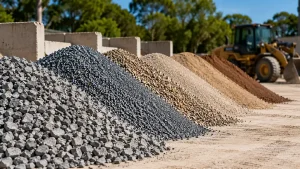
Pebble size dramatically affects both appearance and functionality. Small pebbles (10-20mm) create a fine-textured, almost carpet-like appearance that works beautifully in compact courtyards and around delicate plants. They’re easier to walk on barefoot and settle into a relatively flat surface.
Medium pebbles (20-40mm) represent the most popular size for general garden beds. They provide excellent weed suppression, don’t migrate as easily as smaller stones, and create good visual texture without overwhelming plantings. This size range works well for most gardens and is ideal for backyard renovation ideas Central Coast inspiration.
Large pebbles (40-100mm) make bold statements and work brilliantly as feature elements like dry creek beds, around statement boulders, or in Japanese-inspired gardens. However, they’re less comfortable to walk on and can be challenging to plant through without careful arrangement.
How Deep Should Your Pebble Layer Be?
For effective weed suppression and a professional finish, aim for 50-75mm depth of decorative pebbles. This depth provides adequate coverage to block sunlight from reaching weed seeds while looking substantial rather than sparse. Deeper isn’t necessarily better, as excessive depth makes planting difficult and wastes money.
Before laying pebbles, install quality weed matting beneath. This fabric barrier prevents weeds from establishing while allowing water to penetrate. The combination of weed mat and adequate pebble depth creates virtually maintenance-free garden beds that only require occasional hand-pulling of the odd seed that lands on the surface.
Calculating How Many Pebbles You Need
Nothing’s more frustrating than running short of materials mid-project. Here’s a simple three-step process to calculate exactly how much you need:
Step 1: Measure Your Area Measure the length and width of your garden bed in metres. For example, let’s say your garden bed is 4 metres long and 3 metres wide.
Step 2: Calculate Volume Multiply length × width × depth (in metres) to get cubic metres.
For a 50mm deep layer: Length × Width × 0.05 For a 75mm deep layer: Length × Width × 0.075
Example Calculation: Garden bed: 4m long × 3m wide × 75mm deep 4 × 3 × 0.075 = 0.9 cubic metres Round up to 1 cubic metre
Step 3: Add Extra for Coverage Add 10% extra to account for settling and uneven surfaces. In our example, 1 cubic metre becomes 1.1 cubic metres.
Not confident with calculations? The experienced team at Kincumber Sand & Soil can verify your measurements and ensure you order the perfect amount for your specific project.
Where Do Decorative Pebbles Work Best?
Around Pool Areas
Pebbles excel around swimming pools because they don’t track indoors like sand, don’t decompose like mulch, and drain excellently. Light-coloured stones stay cooler underfoot during summer, making them more comfortable around Gosford and Erina pools where kids run barefoot.
Dry Creek Beds
Creating dry creek beds with carefully selected river pebbles adds visual interest while solving practical drainage problems. These features channel water during heavy rain while looking attractive the rest of the year, and they’re increasingly popular across Central Coast properties as climate-conscious homeowners embrace sustainable water management.
Contemporary Garden Beds
Modern landscape designs often feature pebbles as the primary ground cover, punctuated by architectural plants like agaves, yuccas, or sculptural natives. This style requires minimal maintenance while delivering maximum impact, perfect for beachside properties around Terrigal wanting that resort aesthetic.
Pathway Borders
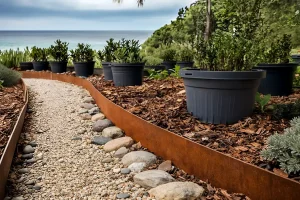
Edging pathways with complementary or contrasting pebbles defines spaces beautifully while preventing gravel or pavers from migrating into garden beds. This classic technique adds polish to any landscape, from casual cottage gardens to formal estate designs.
Mixing Pebble Types for Visual Interest
Don’t feel limited to single pebble types. Mixing sizes and colours creates depth and sophistication in your landscape design. Try combining larger feature stones with smaller background pebbles, or use contrasting colours to define different garden zones.
A popular Central Coast approach layers white pebbles in foreground areas where they create brightness, transitioning to natural river stones in mid-ground, then mulch beneath established trees. This graduated approach looks organic while using each material where it performs best.
The Australian Institute of Landscape Architects recommends limiting yourself to two or three pebble types maximum per property to maintain cohesion. More than this can appear busy and detract from your plantings rather than enhancing them.
Preparing Garden Beds for Pebbles
Proper preparation determines whether your pebbled garden beds look professional or problematic. Remove all existing weeds thoroughly, as pebbles make excellent weed suppressors but only if you start with clean ground. Persistent perennial weeds like oxalis or couch grass will push through any pebble layer if left undisturbed.
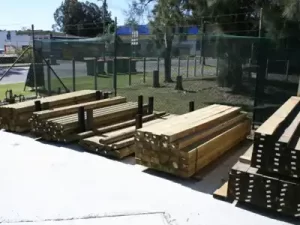
Install edging to contain pebbles within defined boundaries. Without edging, stones gradually migrate into lawns and pathways, creating maintenance headaches and looking untidy. Metal edging provides clean, modern lines, while timber sleepers suit more rustic styles. For landscape supplies on the Central Coast, various edging options complement any design aesthetic.
Level your soil surface before laying weed mat. Lumps and hollows telegraph through the pebbles, creating an amateurish appearance. A few extra minutes with a rake saves disappointment later.
Planting Through Decorative Pebbles
One common concern about pebble gardens is that they’re difficult to plant. The solution is simple: create planting pockets by cutting crosses in your weed mat where plants will grow. After planting, arrange pebbles around the plant’s base, leaving a small clear circle against the stem to prevent moisture buildup.
For established gardens being converted to pebbles, work carefully around existing plants, tucking weed mat edges beneath foliage. This requires patience but delivers professional results that look like the garden was designed with pebbles from the start.
Maintenance: Less Isn’t None
While pebble gardens require far less maintenance than traditional mulched beds, they’re not entirely maintenance-free. Occasionally, you’ll need to remove leaves, blow away accumulated debris, or hand-pull the odd weed that establishes in organic matter settling between stones.
Every few years, hosing or pressure-washing pebbles refreshes their appearance, particularly white or light-coloured stones that may develop algae in humid coastal conditions. This quick maintenance keeps your Kincumber or Woy Woy garden looking crisp and well-tended without the ongoing commitment of organic mulches.
Environmental Considerations
Some gardeners worry about pebbles’ environmental impact, particularly heat retention and lack of organic matter contribution. These concerns are valid for entire properties covered in stone, but using pebbles strategically around heat-tolerant plants, in high-impact areas, or where organic mulches fail represents sensible, sustainable design.
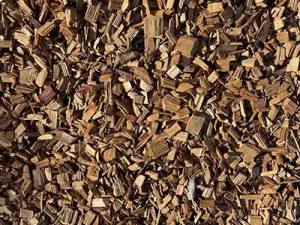
Combining pebbles with organic mulches in different garden zones provides the best of both worlds. Use pebbles where their benefits shine in water-wise gardens, modern design features, and high-traffic areas, while using organic mulches where soil building matters most, like vegetable gardens and intensive planting beds.
Sourcing Quality Pebbles Locally
Pebble quality varies considerably between suppliers. Poorly washed stones contain dust and soil that create a muddy mess during rain. Irregular sizing means excessive small pieces that look messy and migrate easily. Mixed colours in supposedly uniform batches create spotty, unprofessional appearances.
Established local suppliers stock properly graded, thoroughly washed pebbles that look as good spread in your garden as they did in the display yard. Seeing samples in person before ordering ensures the colour and size match your vision exactly, something you can’t do when buying online.
Kincumber Sand & Soil maintains an extensive range of decorative pebbles suitable for every Central Coast application. With over 25 years serving local gardeners, their expertise helps you select options that complement your specific property’s style, exposure, and existing plantings.
Transform Your Garden with Decorative Pebbles
Decorative pebbles offer Central Coast homeowners an elegant, low-maintenance solution for creating stunning landscapes that thrive in our coastal conditions. From contemporary minimalist designs to natural bushland aesthetics, the right pebbles enhance your property’s value and enjoyment while reducing ongoing maintenance demands.
Whether you’re renovating tired garden beds in Gosford, creating a new landscape in Terrigal, or adding finishing touches to your Erina property, quality decorative pebbles make all the difference. Choose a trusted local supplier to turn ordinary results into something extraordinary.
Ready to explore the possibilities for your outdoor space? Contact Kincumber Sand & Soil today at tel:02-4368-1252 or visit the yard to see the complete range of decorative pebbles available. The knowledgeable team can help you select the perfect colours and sizes for your project and arrange prompt delivery across the Central Coast. Your dream landscape is just a call away, contact us today.