Choosing the right mulch for your Central Coast garden can feel overwhelming with so many options available at your local landscape supplies yard. Whether you’re a seasoned gardener or just starting your first backyard project in Kincumber, Gosford, or Terrigal, understanding which mulch works best for your specific needs will save you time, money, and ensure your plants thrive in our unique coastal climate.
Why Does Mulch Type Matter for Central Coast Gardens?
The Central Coast experiences a temperate climate with warm, humid summers and mild winters, which creates specific challenges and opportunities for gardeners. The right mulch doesn’t just make your garden beds look tidy, it actively protects your soil from moisture loss during those hot summer days, suppresses weeds that seem to sprout overnight, and gradually enriches your soil as it breaks down.
Different mulch types perform differently in our local conditions. Some break down quickly in our humidity, while others last for years. Some attract termites, while others repel them. Understanding these differences helps you make an informed choice that suits both your garden’s needs and your maintenance preferences.
Popular Mulch Options for Central Coast Properties
Hardwood Bark Mulch
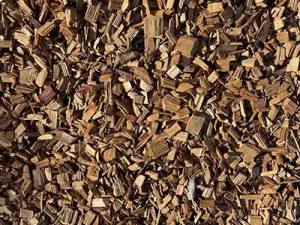
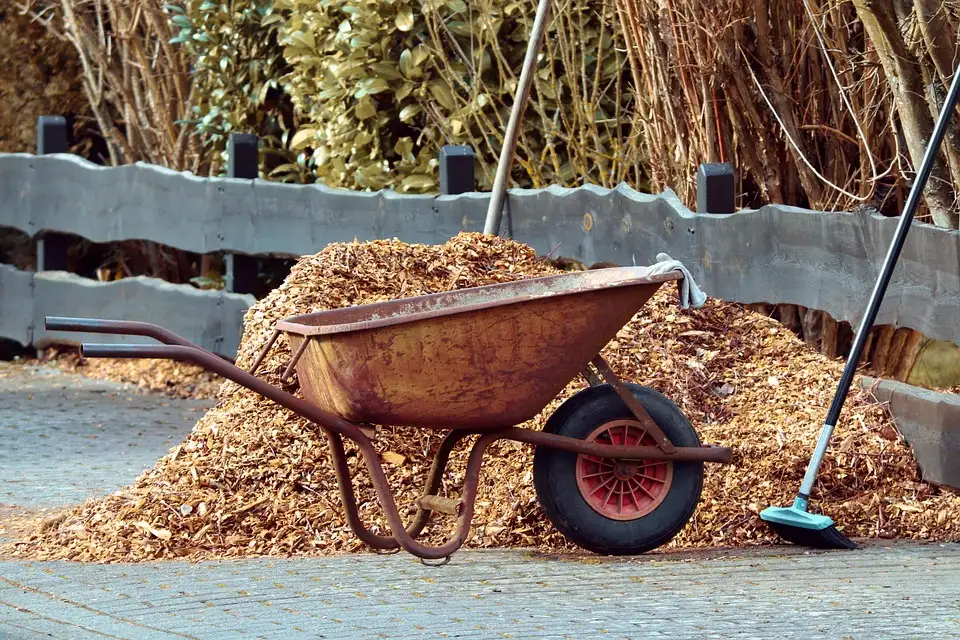
Hardwood bark mulch remains one of the most popular choices among Central Coast residents, and for good reason. This natural option breaks down slowly, typically lasting 12-18 months before needing replenishment. It’s excellent for retaining moisture in your garden beds, a crucial benefit during our drier months when water restrictions sometimes apply.
The rich, dark colour of hardwood bark creates an attractive contrast against green foliage and colourful flowers. It works particularly well around established trees, shrubs, and perennial garden beds. According to Landscape Australia, organic mulches like hardwood bark also improve soil structure as they decompose, adding valuable nutrients back into your garden.
Pine Bark Mulch
Pine bark offers a lighter-coloured alternative that many gardeners prefer for cottage-style or native gardens. It breaks down more quickly than hardwood, usually within 6-12 months, which means you’ll need to top it up more frequently, but it also enriches your soil faster with organic matter.
This mulch type works beautifully in areas where you want to maintain a natural, woodland appearance. It’s particularly suitable for acid-loving plants like azaleas, camellias, and Australian natives that thrive in our region.
Sugar Cane Mulch
Sugar cane mulch has gained tremendous popularity across the Central Coast for vegetable gardens and annual flower beds. This blonde-coloured mulch is lightweight, easy to spread, and breaks down relatively quickly, typically within 4-6 months. While this means more frequent application, it provides excellent nutrition as it decomposes.
Many local vegetable gardeners swear by sugar cane mulch for tomatoes, herbs, and other edibles because it doesn’t alter soil pH and contains no tannins that might affect plant growth. It also stays in place well, even during those sudden Central Coast downpours.
Decorative Pebbles and Gravel
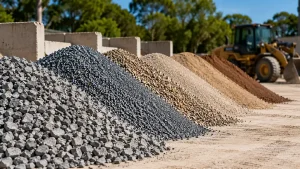
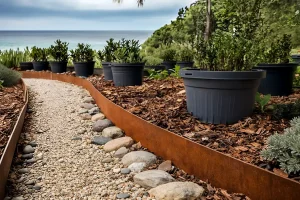
For those seeking a low-maintenance option, decorative pebbles offer a permanent solution that never needs replacing. Pebbles work exceptionally well in coastal gardens where salt-laden winds might quickly break down organic mulches. They’re perfect for modern landscape designs, succulent gardens, and areas around swimming pools.
While pebbles don’t add nutrients to your soil, they provide excellent weed suppression and reflect heat, which can be beneficial or detrimental depending on your plant selection and garden aspect.
How Much Mulch Do You Actually Need?
A common mistake gardeners make is applying mulch too thickly or too thinly. For most garden beds on the Central Coast, aim for a 75-100mm layer of mulch. This depth provides adequate weed suppression and moisture retention without suffocating plant roots or creating a habitat for pests.
To calculate how much mulch you need, measure your garden bed’s length and width in metres, then multiply by 0.075 (for a 75mm depth) or 0.1 (for a 100mm depth). This gives you the cubic metres required. At Kincumber Sand & Soil, the friendly team can help you calculate exactly what you need for your project, ensuring you order the right amount without waste.
Should You Choose Organic or Inorganic Mulch?
Organic mulches, bark, wood chips, sugar cane, and straw, decompose over time, adding nutrients and improving soil structure. They’re ideal if you’re building healthy, living soil for edible gardens or want to encourage beneficial microorganisms. The trade-off is that they require regular replenishment, usually once or twice yearly depending on the type.
Inorganic mulches like pebbles, gravel, and rubber never decompose. They’re perfect for areas where you want a permanent solution with minimal maintenance. However, they don’t contribute to soil health and can make future garden redesigns more challenging.
According to research from Australian Garden History Society, the best approach often involves using different mulch types in different areas of your property, matching the mulch to the specific purpose of each garden zone.
What About Termites and Mulch?
This question comes up constantly, and it’s a valid concern for Central Coast homeowners. The truth is that any organic mulch can potentially attract termites because they feed on decaying wood. However, mulch doesn’t cause termite infestations—it simply provides a food source if termites are already present.
To minimise risks, keep mulch at least 75mm away from your home’s foundations, fence posts, and wooden structures. Never pile mulch against timber weatherboards or deck posts. Regular inspections and maintaining this buffer zone allows you to use organic mulches safely while enjoying their benefits.
Eucalyptus mulches tend to be less attractive to termites than other wood types, making them a good choice if you’re particularly concerned about these pests in your Erina, Woy Woy, or other Central Coast suburbs.
Colour Matters More Than You Think
Mulch colour affects more than just aesthetics, it influences soil temperature and moisture retention. Darker mulches absorb heat, warming the soil beneath, which benefits heat-loving plants like tomatoes and capsicums. Lighter-coloured mulches reflect heat, keeping soil cooler for lettuce, brassicas, and other cool-season crops.
For coastal gardens that receive strong afternoon sun, lighter mulches can help prevent soil from overheating. In shadier gardens or those wanting to extend the growing season, darker mulches provide an advantage.
Where Can You Source Quality Mulch Locally?
Sourcing locally-produced mulch offers several advantages for Central Coast gardeners. Fresh, locally-made mulch hasn’t been sitting in bags for months, meaning it’s less likely to have developed fungal issues or compacted. Local suppliers also understand regional conditions and can recommend specific products for your suburb’s soil type and microclimate.
Kincumber Sand & Soil has been supplying quality mulch to Central Coast residents for over 25 years. With a comprehensive range of organic and inorganic mulches available for immediate delivery or pickup, you can get your garden project started this weekend without the hassle of multiple trips in the family car.
Top Tips for Applying Mulch Successfully
Before spreading mulch, remove existing weeds and water your garden beds thoroughly. Moist soil beneath mulch retains moisture far better than dry soil. This seems counterintuitive, but it’s one of the most important steps professionals take.
Don’t create “mulch volcanos” around tree trunks, this common mistake can lead to rot, pest problems, and even tree death. Keep mulch several centimetres away from stems and trunks, creating a donut shape rather than a cone.
For new garden beds, consider laying a layer of newspaper or cardboard beneath your mulch. This biodegradable barrier provides extra weed suppression for the first few months while your mulch settles in.
Making Your Final Mulch Decision
There’s no single “best” mulch for every Central Coast garden. The right choice depends on your specific circumstances: Are you gardening in Kincumber’s sandy soils or Gosford’s heavier clay? Do you prefer low-maintenance landscaping or enjoy regular garden tinkering? Is your garden in full sun or shade? Are you growing natives, exotics, or edibles?
Consider starting with a trial area if you’re unsure. Apply different mulches to separate garden beds and observe how they perform over a season. This practical approach takes the guesswork out of the equation and gives you firsthand experience with what works best for your property’s unique conditions.
The experienced team at Kincumber Sand & Soil understands these local variables and can guide you toward the most suitable option for your specific situation. With over two decades of experience serving Central Coast gardeners, they’ve seen what works in your neighbourhood.
Transform Your Garden with the Right Mulch Today
Choosing appropriate mulch might seem like a small decision, but it significantly impacts your garden’s health, appearance, and how much time you spend maintaining it. Whether you’re creating new garden beds in Terrigal, refreshing existing landscapes in Erina, or starting a veggie patch in Kincumber, quality mulch from a trusted local supplier makes all the difference.
Ready to give your garden the foundation it deserves? Contact Kincumber Sand & Soil today 02-4368-1252 or visit the yard to see the full range of mulch options available. The knowledgeable team can help calculate exactly how much you need and arrange prompt delivery across the Central Coast. Your thriving garden starts with the right mulch, let’s get your project growing!