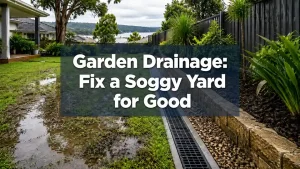
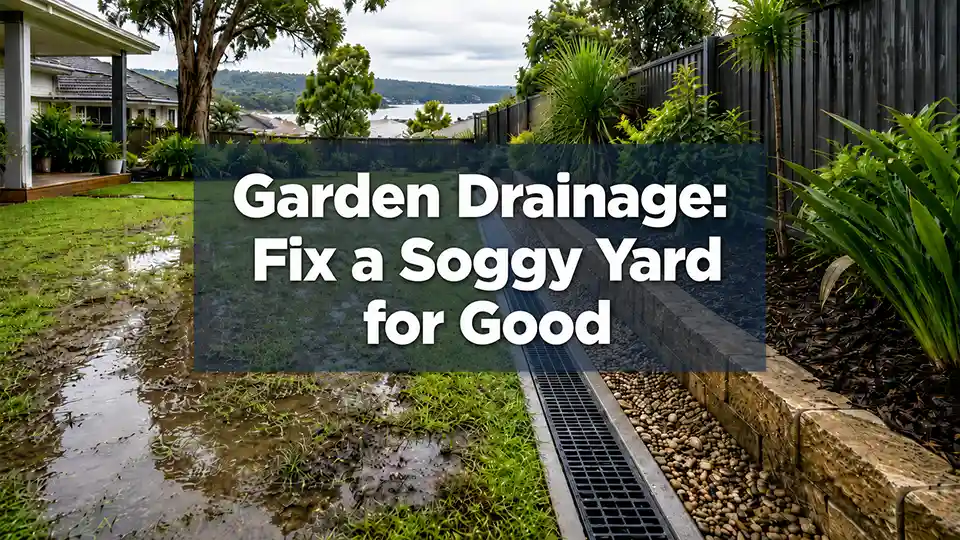
After a few days of rain, plenty of Central Coast backyards end up with puddles that simply will not disappear. A soggy lawn is more than just inconvenient. It can drown grass roots, encourage mould and mosquitoes, and make garden beds unworkable for weeks at a time. The good news is that effective garden drainage solutions for Central Coast properties do not need to be complicated, and most start with understanding why the water is sitting there in the first place.
Why So Many Central Coast Gardens Struggle With Drainage
Much of the soil across the Central Coast contains a high proportion of clay. Clay particles sit tightly together, leaving very little space for water to pass through. After heavy rain, water has nowhere to go and simply sits on the surface or just below it.
Add to this the region’s pattern of intense rainfall events, often dumping large volumes of water in a short period, and it becomes clear why so many properties end up with low spots that turn into temporary ponds. Established gardens are not immune either. Years of foot traffic and mowing can compact soil over time, reducing its ability to absorb water even further.
Signs Your Garden Has a Drainage Problem
A few telltale signs point to drainage issues rather than just a particularly wet week.
• Water still sitting on the lawn or garden beds more than a day after rain has stopped
• Soggy, spongy ground that squelches underfoot even on dry days
• Yellowing grass or dying plants in low-lying patches
• A persistent musty smell coming from garden beds or lawn areas
• Moss or algae spreading across areas that used to be grassed
If any of these sound familiar, the good news is that most Central Coast properties can be improved significantly with the right combination of soil treatment and drainage infrastructure.
Start With the Soil Itself
Before digging any trenches, it is worth addressing the soil structure directly. For clay-heavy soils, gypsum is widely used to help break up tightly packed clay particles, creating small gaps that allow water to move through more freely. Bunnings’ guide to improving clay soil explains how to test whether a particular soil will respond well to gypsum before applying it.
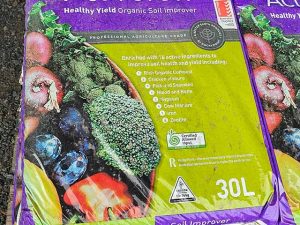
Working organic matter through the topsoil also helps over time, improving structure and giving water somewhere to go rather than sitting on a hard surface. The NSW soil compaction factsheet covers how compacted layers form beneath lawns and garden beds, and why addressing the soil structure itself is often the first step before any drainage system is installed. For garden beds that need a fresh start, replacing the top layer with quality garden soil gives plants a well-structured growing medium from day one.
Building an Agricultural Drain
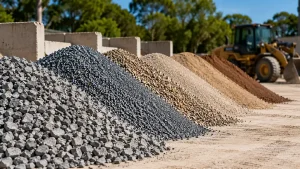
For areas that stay wet no matter what is done to the soil, an agricultural drain, sometimes called a French drain, is one of the most effective long-term solutions. The basic principle is simple. A trench is dug along the wet area, sloping gently toward a suitable outlet point such as a stormwater connection or a lower part of the property. A slotted agricultural pipe, often wrapped in a sock to keep soil particles out, sits at the base of the trench. The trench is then backfilled with drainage gravel, which allows water to move freely down into the pipe and away from the problem area. For guidance on where stormwater can legally be directed on a property, the Central Coast Council’s guidance on stormwater drainage for private properties is a useful local reference.
Surface Drainage and Grading
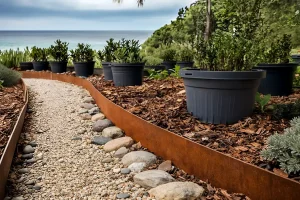
Sometimes the simplest fix is redirecting water before it has a chance to pool. Shallow surface channels, known as swales, can be shaped across a slope to carry rainwater toward a garden bed, a rain garden, or a drainage point well away from the house. Even small adjustments to the grading around paths and garden edges can make a noticeable difference to where water ends up after a storm.
Raised Garden Beds for Persistently Wet Spots
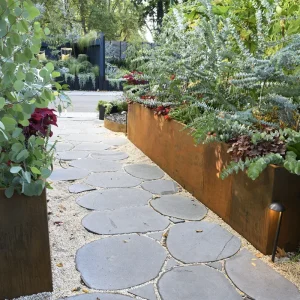
For smaller pockets of the garden that simply will not drain no matter what, raising the planting area above the problem entirely is often the most practical answer. A layer of coarse sand or gravel at the base improves drainage further, topped with quality soil for planting. The sand and gravel range at Kincumber Sand and Soil covers the base layer materials needed for this kind of project.
Get Local Advice Before You Start
Every property is a little different, and the right combination of solutions depends on the slope of the block, the soil type, and where water naturally wants to go. Kincumber Sand and Soil has been supplying the Central Coast building and landscaping industry for more than 30 years, and the team can help identify the right materials for drainage projects of any size. Our drive-through yard in Kincumber makes loading trailers straightforward, with delivery also available across the Central Coast.
For advice on your project or to place an order, get in touch via the Contact Us page. or call Kincumber Sand and Soil on (02) 4368 1252 or visit 4 Kerta Rd, Kincumber. Open Monday to Friday 6:30am to 4:00pm and Saturday 6:30am to 12:00pm.