
Picking new turf often comes down to whatever looks good at the time, but the turf varieties that suit a Central Coast garden best depend on a few practical factors. Shade from established trees, exposure to coastal winds, the amount of foot traffic a lawn copes with and how much time anyone wants to spend mowing all play a part. Getting this right from the start saves a lot of frustration later, particularly once a lawn is already down and growing.
What Makes the Central Coast Different for Lawns?
Central Coast properties cover a wide range of conditions. Some sit close to the coast with salt-laden winds and sandy soils, while others are tucked into leafy suburbs with established trees casting shade across large parts of the yard. Heavy clay soils are common further inland, and summers bring a mix of heat, humidity and heavy rain events. No single turf variety handles all of these conditions equally well, which is why matching the grass to the specific block matters. For a broader overview of how different grass types perform across local conditions, myhomeTurf’s guide to grass types in Australia is a useful starting point when comparing options.
Buffalo Grass
Buffalo is one of the most popular choices for home lawns, largely because of its shade tolerance. Varieties such as Sir Walter and Sapphire handle several hours of shade per day better than most other turf types, making buffalo a strong option for blocks with mature trees. It has a broad, soft leaf underfoot, generally requires less mowing than couch or kikuyu and holds good colour through winter in many varieties.
The trade-off is that buffalo can be slower to recover from heavy wear or bare patches compared with kikuyu, so it suits family lawns with moderate use rather than areas that cop constant heavy traffic.
Kikuyu
Kikuyu is known for one thing above all else: speed. It establishes and spreads faster than almost any other turf type, recovers quickly from damage and handles full sun and heat extremely well. It is also one of the more affordable options, which makes it popular for larger lawn areas.
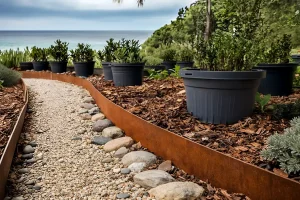
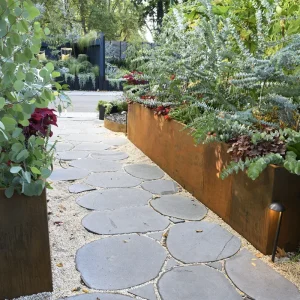
The downside is that kikuyu spreads aggressively. Without a firm edge, it will happily creep into garden beds and pathways, which is where steel garden edging earns its keep, providing a clean barrier that keeps kikuyu contained to the lawn area. Kikuyu also requires more frequent mowing during the warmer months to keep it looking tidy.
Couch
Couch is the classic fine-leaf lawn, often associated with sports fields and manicured front lawns. It has excellent wear tolerance and recovers well from damage, performing best in full sun. Newer hybrid couch varieties have improved density and a finer leaf than older types, giving a more polished appearance.
Couch needs more sun than buffalo to perform well, so it is generally not the right choice for heavily shaded yards. It also tends to go dormant and lose colour over winter more noticeably than buffalo, greening up again once temperatures rise in spring.
Zoysia
Zoysia is worth considering for coastal blocks in particular. It has a slow growth rate, which means less mowing overall, and several varieties offer strong salt tolerance, making it a sensible option for properties exposed to sea breezes. Its dense, carpet-like growth handles foot traffic well, though it can be slower to establish than kikuyu or couch when first laid.
Matching Turf to Soil and Site Preparation
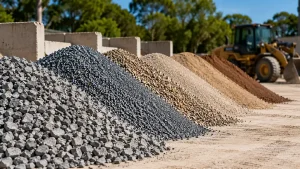
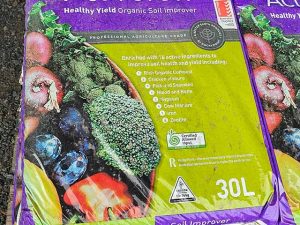
Whichever variety is chosen, the lawn will only perform as well as the ground beneath it. A well-prepared base with the right underlay gives roots the best chance to establish quickly, regardless of turf type. The landscape products available at Kincumber Sand and Soil cover the underlay and soil blends needed to get new turf off to a strong start.
New lawns also need consistent watering in the weeks after laying, regardless of variety. The Central Coast Council Water Wise Rules outline permitted watering times for new lawns and gardens, which is worth checking before turf goes down. For broader guidance on turf selection and certified varieties, the AusGAP turf accreditation program provides a useful overview of what to look for when comparing suppliers.
Finishing Touches Around the Lawn
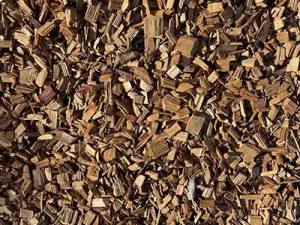
Once turf is down, defining the edges between lawn and garden beds keeps everything looking sharp and reduces ongoing maintenance. A layer of mulch around garden beds bordering the new lawn helps retain moisture in the soil and gives a clean, finished look while the turf establishes.
Get Local Advice Before You Choose
Kincumber Sand and Soil has been supplying the Central Coast building and landscaping industry for more than 30 years, and the team can talk through which turf variety and underlay combination suits a particular block, whether it is shaded, exposed to salt air, or somewhere in between. The drive-through yard at 4 Kerta Rd, Kincumber makes it easy to load up on underlay, edging and finishing materials in the one visit.
To discuss your project, get in touch via the Contact Us page or call Kincumber Sand and Soil on (02) 4368 1252 or visit 4 Kerta Rd, Kincumber. Open Monday to Friday 6:30am to 4:00pm and Saturday 6:30am to 12:00pm.