Starting a garden landscaping project without knowing which products you actually need leads to either expensive overbought materials sitting unused or frustrating mid-project stops when you discover missing essentials. Whether you’re creating a new garden from scratch in Kincumber, transforming an existing landscape in Gosford, or maintaining established gardens across Terrigal, understanding which products serve which purposes helps you plan effectively, budget accurately, and achieve professional results without unnecessary trial and error.
Assessing Your Specific Project Requirements
Every garden landscaping project presents unique requirements depending on your goals, existing conditions, and desired outcomes. Taking time to assess these factors before purchasing products prevents costly mistakes and ensures you invest in materials that actually serve your needs.
Defining Your Project Scope
Are you creating entirely new garden beds, renovating existing plantings, installing hardscaping elements like paths or patios, or focusing on lawn establishment? Each project type demands different product combinations, and clarity about scope helps identify your essential materials list.
Small projects might require only a few cubic metres of soil and some mulch, while comprehensive landscape transformations demand extensive product ranges including base materials, growing mediums, decorative elements, and finishing products.
According to Landscape Australia, clearly defining project scope before purchasing materials reduces waste by up to 40% compared to buying incrementally as needs become apparent during construction.
Understanding Site Conditions
Your property’s existing soil type, drainage characteristics, sun exposure, and microclimate significantly influence which products will perform best. Sandy Central Coast soils require different amendments than clay-heavy areas, and coastal properties face different challenges than sheltered inland locations.
Spending time understanding these conditions, through simple tests like drainage observation and soil texture assessment, informs smarter product selection that addresses your specific challenges rather than generic solutions that might miss the mark.
Matching Products to Plant Selections
Native gardens, edible gardens, and ornamental plantings each thrive with different soil conditions and maintenance approaches. Selecting landscaping products that complement your intended plantings ensures plants receive environments suited to their needs from the outset.
Australian natives often prefer lean soils without excessive nutrients, while roses and edibles demand rich, fertile growing mediums. Matching soil amendments, mulches, and fertilisers to your plant palette creates harmonious systems requiring less intervention long-term.
Essential Base and Structural Products
Every landscaping project requires foundational materials creating stable bases for plantings, paving, or other elements. These structural products might not be visible in finished gardens but determine whether projects succeed or fail over time.
Road Base and Compaction Materials
Road base provides stable foundations under driveways, paths, and paved areas, preventing settling and movement that creates uneven surfaces and drainage problems. This compactable material locks together firmly when properly installed, creating rock-solid bases that last decades.
For Central Coast projects involving any hardscaping, adequate road base depth (typically 75-100mm when compacted) proves essential for longevity. Skimping on base preparation represents false economy that leads to expensive repairs within years.
Drainage Aggregates
Proper drainage prevents numerous landscape problems from waterlogged plants to structural damage around retaining walls and buildings. Blue metal, river pebbles, and agricultural pipe create effective drainage systems channelling water away from problem areas.
Installing drainage aggregates behind retaining walls, under poorly-draining garden beds, or along building foundations prevents moisture accumulation that causes rot, movement, and plant death. These invisible elements prove absolutely critical in heavy-rainfall areas around Gosford and Erina.
Edging and Containment Products
Defining boundaries between different landscape elements requires appropriate edging materials. Metal, plastic, timber, or stone edging prevents lawn invasion into garden beds, contains mulches and gravels, and creates the clean lines that distinguish professional landscapes from amateur efforts.
Quality edging installed properly lasts for years while dramatically reducing maintenance through preventing grass spread and material migration. This small investment delivers ongoing dividends in reduced weeding and tidying time.
Soil and Growing Medium Products
Creating ideal growing conditions for your plants represents perhaps the most important product investment you’ll make, as soil quality fundamentally determines plant health and garden success.
Premium Soil Blends
Premium garden mix combines screened topsoil with generous organic matter, creating rich growing mediums that support vigorous plant growth even in Central Coast’s challenging sandy native soils. These blends provide the nutrient retention and moisture holding capacity that straight sand or topsoil alone cannot deliver.
For new garden bed establishment around Kincumber and Woy Woy, premium blends eliminate the guesswork and labour of mixing your own soil while ensuring appropriate ratios for immediate planting success. The dark, crumbly texture and earthy smell indicate quality products worthy of investment.
Topsoil for General Use
Quality topsoil across the Central Coast serves numerous landscaping purposes from filling low spots to creating level bases for turf installation. While not ideal as standalone growing medium for demanding plants, topsoil provides economical bulk fill that you then enrich with amendments in actual planting areas.
Screened topsoil free from rocks, roots, and debris works easily and integrates smoothly with existing soils. This processing makes the difference between professional results and frustrating struggles with lumpy, difficult material.
Compost and Organic Amendments
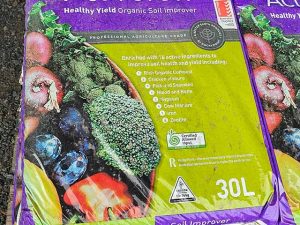
Adding compost to garden beds represents the single most effective soil improvement strategy for Central Coast gardens. Quality compost improves sandy soil’s moisture and nutrient retention while lightening heavy clay and supporting beneficial soil organisms that cycle nutrients naturally.
Incorporating 50-75mm of compost into new beds or spreading it annually on established gardens builds soil quality progressively, creating the rich, living soils that support thriving plant communities with minimal fertiliser inputs.
Mulch and Ground Cover Products
Mulching garden beds delivers multiple benefits from weed suppression to moisture retention, making appropriate mulch selection crucial for both aesthetics and garden performance.
Organic Mulch Options
Hardwood bark mulch provides long-lasting organic coverage, typically enduring 12-18 months before requiring replenishment. Its dark colour creates attractive contrast while decomposing slowly to enrich underlying soil.
Pine bark suits gardeners preferring lighter colours or growing acid-loving plants like azaleas and camellias. It breaks down faster than hardwood, within 6-12 months, providing more frequent soil enrichment.
Sugar cane mulch works brilliantly in vegetable gardens where its rapid breakdown (4-6 months) provides constant nutrition. Its lightweight nature and blonde colour brighten gardens while making application easy even for older or less physically capable gardeners.
Selecting mulch for Central Coast gardens means choosing types that suit your specific aesthetic preferences, maintenance tolerance, and soil improvement goals.
Decorative Stone Mulches
Decorative pebbles offer permanent ground cover requiring zero replacement. White pebbles create contemporary statements in modern Terrigal landscapes, while natural river stones suit traditional gardens common around Gosford.
These materials excel in coastal exposed areas where organic mulches might blow away or decompose too rapidly. They also work perfectly around pools, in succulent gardens, and anywhere maintenance-free permanence appeals more than soil enrichment.
Combining organic and inorganic mulches strategically, using pebbles in high-visibility feature areas while applying organic mulch where soil building matters, achieves optimal balance between aesthetics and soil health.
Sand Products for Various Applications
Different landscaping applications require specific sand types, making appropriate selection essential for project success and longevity.
Paving and Bedding Sands
Fine, uniform paving sand creates stable, level bases under pavers, stepping stones, and outdoor tiles. This sand compacts smoothly while remaining workable enough to adjust individual paver heights during installation, essential for professional-looking results.
Quality paving sand should be clean, consistently sized, and free from clay contamination that would prevent proper compaction. Using correct sand for paving applications prevents the uneven settling and paver movement that creates trip hazards and unsightly surfaces.
Concrete and Mortar Sands
Concrete sand features coarser particles than paving sand, with varied sizes that lock together when mixed with cement, creating strong concrete for footings, slabs, and paths. Brick sand (brickies sand) provides fine particles perfect for smooth, workable mortars used in bricklaying and rendering.
Understanding which landscaping sand suits your specific application prevents purchasing inappropriate products that compromise structural integrity or workability.
Soil Amendment Sands
Coarse river sand improves drainage in clay soils when incorporated at appropriate ratios, typically 25-30% by volume. The larger particles create air spaces allowing water movement and root penetration in otherwise dense, poorly-draining soils.
However, adding sand to already-sandy Central Coast soils provides little benefit and might worsen nutrient retention. Understanding your existing soil type determines whether sand amendment helps or hinders your gardening efforts.
Decorative and Feature Products
Beyond functional necessities, decorative products add visual interest, create focal points, and express personal style through your landscape.
Feature Stones and Boulders
Strategically placed feature rocks anchor plantings, create natural-looking outcrops, and add sculptural interest that elevates gardens beyond purely planted spaces. Natural stone develops character over time, weathering beautifully in ways artificial materials cannot replicate.
For Central Coast gardens embracing our coastal character, feature rocks reference natural headlands and rock formations, creating authentic connections between gardens and the broader landscape context.
Decorative Gravels
Coloured or textured gravels create pathways, dry creek beds, or decorative ground covers adding variety to planted areas. These materials work brilliantly for defining zones, creating visual interest, and solving practical problems like pathways through garden beds.
Gravels in various sizes from fine to coarse allow tailoring precisely to your needs and aesthetic preferences, from formal geometric patterns to naturalistic flowing designs.
Specialty Decorative Products
Crushed glass, recycled materials, and specialty stones offer unique options for creative expression in contemporary landscapes. These products might cost more than standard options but deliver distinctive looks that set gardens apart from conventional designs.
According to the Australian Institute of Landscape Architects, thoughtfully selected decorative elements transform functional landscapes into expressive outdoor spaces reflecting owners’ personalities and values.
Plant Support and Growth Products
Supporting healthy plant establishment and ongoing growth requires appropriate fertilisers, soil conditioners, and growing aids.
Fertilisers for Different Needs
General-purpose fertilisers suit mixed plantings with varied nutritional requirements. Controlled-release formulations provide consistent feeding over months, reducing application frequency while preventing nutrient waste.
Specialty fertilisers for natives, roses, citrus, or lawns deliver nutrition tailored to specific plant needs, often producing better results than generic products for demanding specimens.
Organic options like composted manures, blood and bone, and seaweed extracts provide slow-release nutrition while supporting soil biology, particularly valuable for edible gardens and organic gardening approaches.
Soil Conditioners
Gypsum helps break up clay soils, improving structure and drainage without affecting pH. Wetting agents overcome water repellency common in sandy soils, ensuring moisture penetrates to root zones rather than running off surfaces.
Lime adjusts pH for plants preferring alkaline conditions, while sulphur acidifies soil for acid-lovers like azaleas and blueberries thriving in our region.
Staking and Support Materials
Stakes, ties, and plant supports help new trees establish, protect vulnerable stems from wind damage, and train climbers or espalier forms. Quality materials that don’t damage bark or constrict growth as plants expand prove essential for long-term plant health.
Biodegradable ties eliminate removal needs, while permanent supports like trellises and arbors become garden features in their own right.
Irrigation and Water Management Products
Efficient water use becomes increasingly important as climate patterns shift and water costs rise across the Central Coast.
Irrigation System Components
Drip irrigation delivers water directly to plant roots with minimal waste, reducing consumption by 30-50% compared to sprinklers. Quality components last years with minimal maintenance, making initial investment worthwhile for serious gardeners.
Timers, controllers, and smart systems allow automated watering on optimal schedules, maintaining garden health even during busy periods or absences.
Water Conservation Products
Moisture-retention crystals mixed into soils store water during irrigation, releasing it gradually as soil dries. These products reduce watering frequency, particularly valuable for containers and hanging baskets.
Rainwater tanks capture free water for garden irrigation, reducing mains consumption while providing chlorine-free water plants prefer. Modern slimline tanks fit compact spaces around Erina and Kincumber properties.
Weed and Pest Management Products
Maintaining healthy gardens requires managing weeds and pests without creating environmental problems or health risks.
Weed Prevention
Quality weed matting installed beneath mulches or pebbles prevents weed germination while allowing water and air penetration. This prevention proves far more effective and less laborious than constant weeding.
Pre-emergent weed controls prevent seed germination without affecting established plants, working brilliantly in lawns and garden beds for eliminating weeds before they become visible problems.
Pest Control Options
Organic pest controls using natural ingredients manage common garden pests without harming beneficial insects, pets, or wildlife. These options suit edible gardens where chemical residues concern health-conscious growers.
Targeted treatments for specific pest problems prove more effective and environmentally responsible than broad-spectrum preventive spraying, particularly when combined with good cultural practices encouraging beneficial insects.
Calculating Product Quantities Needed
Accurate quantity calculations prevent purchasing too little and facing project delays or buying excess that wastes money and creates disposal problems.
Volume Measurement Basics
For bulk materials like soil, mulch, or sand, calculate volume by measuring area length and width in metres, then multiplying by desired depth in metres. Always add 10-15% extra for compaction, spillage, and uneven surfaces.
Online calculators simplify these calculations, though understanding the basic formula helps you verify results and adjust for specific circumstances.
Converting Between Units
Suppliers quote bulk materials in cubic metres or tonnes depending on their systems. Understanding typical conversion rates (dry soil approximately 1.5 tonnes per cubic metre, damp sand up to 2 tonnes per cubic metre) helps compare pricing accurately.
The knowledgeable team at Kincumber Sand & Soil can help calculate exactly what you need in whichever measurement unit suits your planning, ensuring you order appropriately for your specific project.
Sourcing Quality Products Locally
Working with established local suppliers ensures access to quality products suited to Central Coast conditions, backed by expert advice from people who understand our unique climate and soil challenges.
Benefits of Local Expertise
Suppliers serving the Central Coast for decades know which products perform best locally through direct customer feedback and their own observations. This accumulated wisdom helps you avoid products that look good on paper but disappoint in practice.
Local suppliers also understand seasonal availability, optimal application timing, and regional variations within the Central Coast, providing nuanced advice impossible from generic online sources or distant suppliers.
Building Supplier Relationships
Regular customers often receive priority service during busy periods, preferential pricing, and personalised attention reflecting ongoing relationships. For professional landscapers working across Gosford and Terrigal, reliable supplier partnerships directly affect business success.
Even homeowners benefit from established relationships, as familiar suppliers remember your property’s specific requirements and preferences, streamlining future orders.
Create Your Perfect Central Coast Garden
Success with garden landscaping depends heavily on using appropriate, quality products suited to Central Coast conditions and your specific project requirements. Understanding which products serve which purposes helps you plan comprehensively, budget accurately, and achieve results you’ll enjoy for years.
Whether you’re establishing new gardens in Terrigal, renovating landscapes in Woy Woy, or maintaining properties across Erina, starting with quality products from knowledgeable local suppliers creates foundations for beautiful, thriving outdoor spaces.
Ready to source the right garden landscaping products for your Central Coast project? Contact Kincumber Sand & Soil today at (02) 4368-1252 or visit our yard to discuss your needs. With over 25 years serving local gardeners and landscapers, we stock comprehensive ranges of soils, mulches, sands, decorative products, and specialty items proven to perform in our conditions. Your successful garden starts with the right products and expert local guidance. Let’s help you build something beautiful!