Choosing the Right Soil for Your Next Outdoor Project
Understanding the difference between topsoil and garden soil can save you time, money, and stress on your next landscaping or planting job. While these terms are often used interchangeably, they serve different purposes—and choosing the right one is key to healthy plants and long-term results.
At Kincumber Sand & Soil, we supply both topsoil and garden soil blends specifically tailored to Central Coast conditions. Here’s how they differ and when to use each.
What Is Topsoil?
Topsoil is the uppermost layer of natural soil, usually around 5–20cm deep. It’s typically used for levelling, turf underlay, and improving surface soil structure. Our screened topsoil contains a balanced mix of sand, silt, and clay, providing a clean, stable base for lawns, garden beds, and new builds.
Use topsoil when you need to:
- Fill or level ground areas
- Create a base layer for turf
- Blend into existing soil for better drainage or coverage
Topsoil is not heavily enriched, which makes it ideal as a foundation material—but less suitable for planting without additional amendments.
What Is Garden Soil?
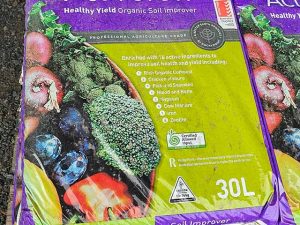
Garden soil is a mix of topsoil and organic matter, such as compost or well-aged manure. It’s designed to be nutrient-rich and ready for planting. At Kincumber Sand & Soil, our garden soil is blended specifically to suit local conditions and support strong plant growth.
Use garden soil when you’re:
- Planting vegetables, herbs, or flowers
- Creating raised garden beds
- Improving depleted garden areas
Garden soil is more biologically active than topsoil and contains the nutrients needed for growing plants right away.
Key Differences Between Topsoil and Garden Soil
The main differences between topsoil and garden soil come down to nutrient content and use. Garden soil is enriched with compost and organic matter, making it ideal for planting vegetables, flowers, and herbs. It’s ready to support plant growth right away.
Topsoil, on the other hand, is more neutral. It’s best used for levelling ground, building up lawn areas, or as a base layer beneath turf. While it improves soil structure, it won’t deliver the same level of nutrients as garden soil unless amended.
Garden soil typically costs more due to the added organic material and processing involved, but it provides greater growing potential for active garden beds. If you’re unsure which one to use, we’re happy to help you select the right product for your goals and soil conditions.
Can You Mix the Two?
Absolutely. Many gardeners mix topsoil and garden soil to balance structure and fertility, especially in larger garden beds or when rehabilitating dry, compacted soil. Our team can help you determine the best ratio for your project.
Quality Matters
Not all soil products are created equal. Cheap or poorly processed soils can contain weeds, heavy clay, or insufficient nutrients. At Kincumber Sand & Soil, we source and screen all our soil blends to ensure consistency, quality, and suitability for Central Coast gardens.
We also offer top soil delivery and bulk supply for residential and trade projects. Browse our full range of landscape soil and garden landscaping products for more solutions.
Want more expert insight? Check out Greenlife Industry Australia and Soils For Life for tips on soil health, composting, and sustainable garden care.
Need Help Choosing the Right Soil?
Contact Kincumber Sand & Soil or call 02 4368 1252 for personalised advice and fast delivery of quality soil products to your door.